Intellectual Capital is defined as organizational, knowledge-based intangible properties. This includes intellectual property and the tacit knowledge, systems, procedures, and protocols of an organization.29 Maximizing our intellectual capital allows us to deliver value to all our stakeholders to meet our business objectives and attain our mission of a decarbonized and regenerative future. More details on our approach to managing intellectual capital can be found in Annex 3 of our 2020 Integrated Report, uploaded on our website at www.fphc.com.
Maintaining Our Management Systems
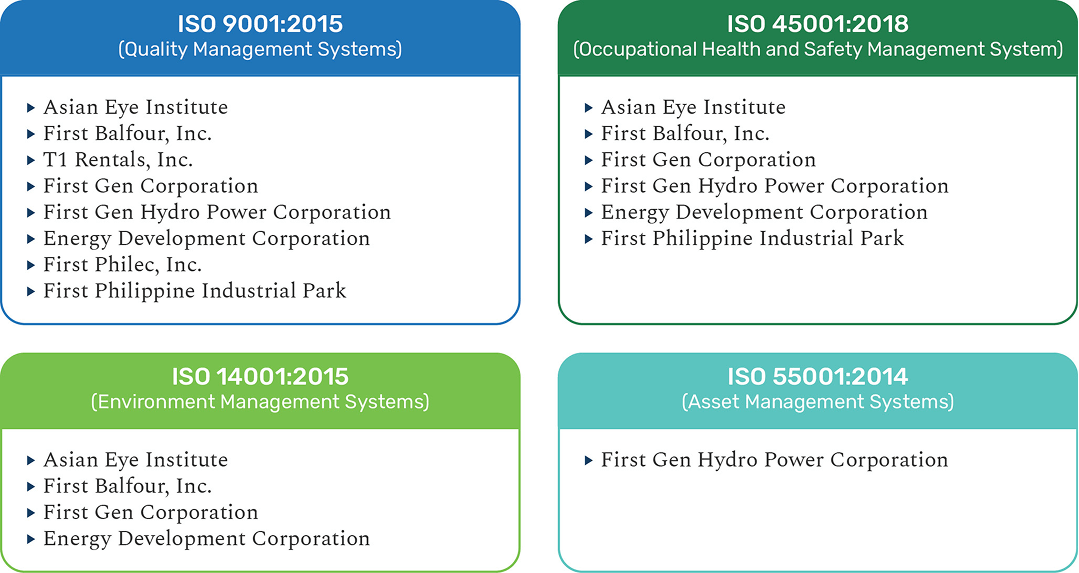
With our businesses positioned to provide quality services to Filipinos across the country, it is our responsibility to ensure excellence in service delivery by maintaining robust management systems. To maintain these systems, our business processes follow globally recognized standards. We regularly review our policies, conduct internal audits, and undergo third-party evaluations from trusted providers. By doing so, we are able to provide high-quality products and services to our customers, ensure the well-being of our employees, contractors, and workers, protect the environment where we operate, and create value for society.
Certified Management systems across the portfolio

Corporate Information Technology (IT) Services
With the goal of ensuring efficiency in our operations across our businesses, investments in digitalization of business processes play a vital role. Throughout the year, our IT Group has provided technical services to our businesses in implementing projects geared towards digitalization. These projects, developments, and improvements in our Corporate Information Technology Services are managed by the IT Council composed of experts and specialists across the group.
Through Joint Business Plans with our subsidiaries, the IT Group has facilitated technological solutions to operational requirements. These projects include the implementation of the Comprehensive Accidental and Medical Monitoring System (CAMMS) adapted by First Gen Corp. This system serves as a comprehensive platform that allows our business groups to identify, assess, and manage risks while integrating compliance and strategic planning for effective decision-making.
In 2024, Asian Eye Institute integrated Project Eve in its operations with the assistance of the IT Group. Project Eve is a platform piloted in 2023 which aims to streamline report generation by automating the data pipeline from source to visualization tools. This platform will deliver an Executive Dashboard to FPH and its subsidiaries to enhance decision-making through timely, accessible, and reusable data while improving time efficiency.
Strengthening Information Security and Data Privacy
The group acknowledges that with the continuous developments in the digital space and as we move towards digitalization, inevitably there will be evolving risks related to the safety and security of data and information. We remain proactive in ensuring the safety of our businesses and the customers we serve.
There were no cases of non-compliance laws and regulations regarding our IT systems, Data Privacy, or Cyber-security in 2024, or any breaches in customer privacy or loss of customer data.
The IT Group and the Enterprise Risk Management (ERM) Group - InfoSec Team continue to identify risks and implement appropriate mitigation measures in this area. In 2024, they have identified the following:
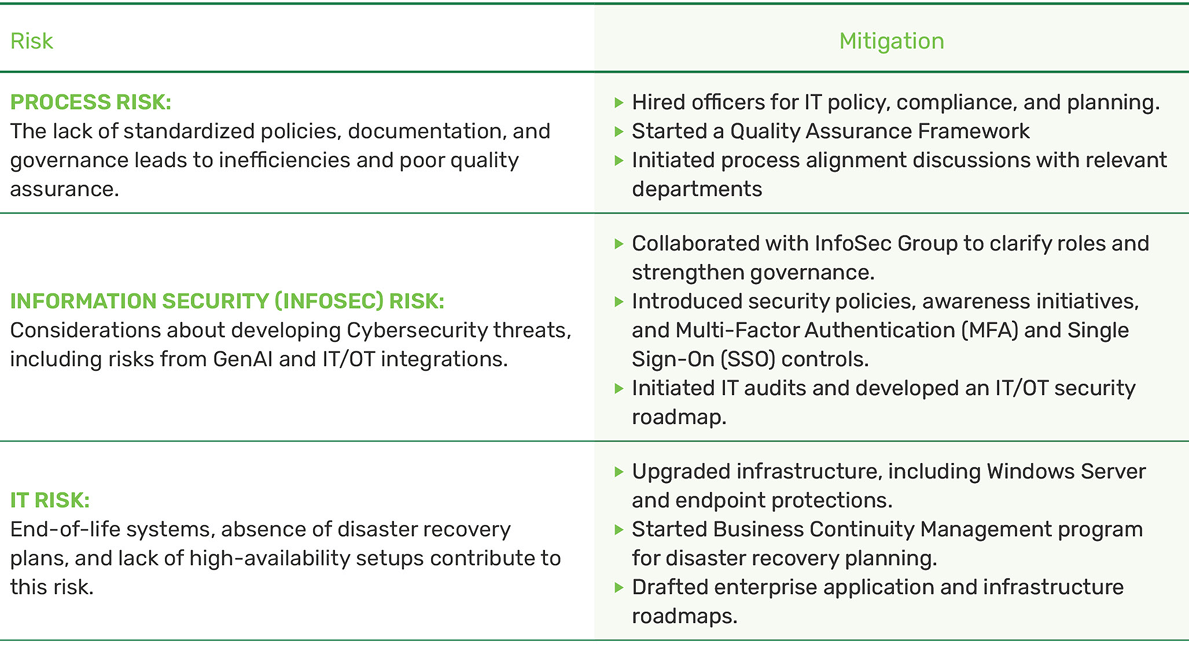
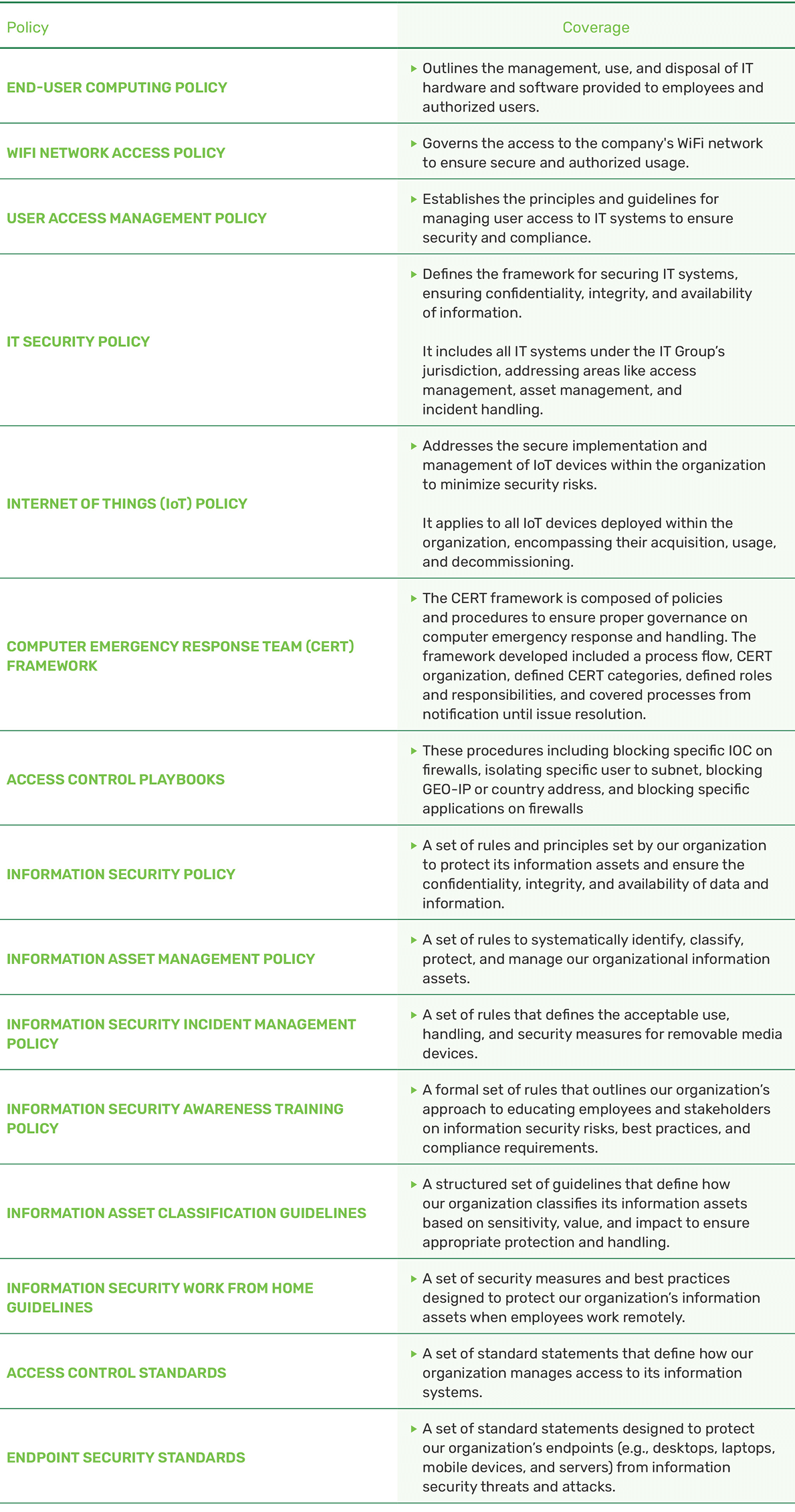
In 2024, the IT Group developed several policies aimed towards mitigating the occurrences of these risks.
Aside from policies, the ERM Group - InfoSec Team has been actively engaging employees within our businesses through information security awareness programs. In 2024, the InfoSec Team led the implementation of the following initiatives:
► InfoSec Awareness Training and Assessment
► InfoSec Awareness Month
► InfoSec Weekly e-Cards
► InfoSec Advisories
► Phishing Test Campaigns
All of these initiatives and engagements have contributed to strengthen cognizance on information security and cybersecurity issues across the conglomerate.

Digitalization Roadmap
Our digitalization Roadmap focuses on enhancing operational excellence, fostering innovation, and streamlining processes across FPH and its subsidiaries. Key objectives include delivering exceptional customer experiences, standardizing processes to ensure consistency and scalability, and driving data-driven decision-making. By promoting financial transparency, improved subsidiary coverage, and organizational agility, the roadmap lays the foundation for sustained growth and resilience.
Significant strides were made toward these objectives. The scope of digital services expanded to include enhanced cybersecurity, Internet of Things (IoT) applications, artificial intelligence (AI), and advanced data analytics capabilities. Key accomplishments include broader subsidiary coverage, the development of customer-centric solutions like SAP road mapping and implementation, network refreshers, and infrastructure upgrades. Efforts in automation saw the implementation of data pipeline automation and hyper automation tools to streamline workflows and increase efficiency. Governance and compliance were strengthened through initiatives like security scorecards and vulnerability assessments, enhanced Business Continuity Management (BCM), and initiating sustainable IT (Green IT), including the integration of Green IT principles, reflecting the organization’s commitment to environmentally responsible digital transformation.
Investments were also made in developing internal capabilities. Employees were trained on enterprise architecture like Six Sigma methodologies, while new roles such as Records Management Officers and Application Operations staff were introduced to address evolving needs.
The organization also deepened its engagement with industry groups and strategic partners, fostering innovation through co-creation models and ecosystem collaboration. Enhancements in collaboration tools, such as the deployment of Unified Communications as a Service (UCCaaS), further improved productivity and operational cohesion.
Utilizing Technologies and Capabilities to Advance Decarbonization and Regeneration
First Gen Corporation
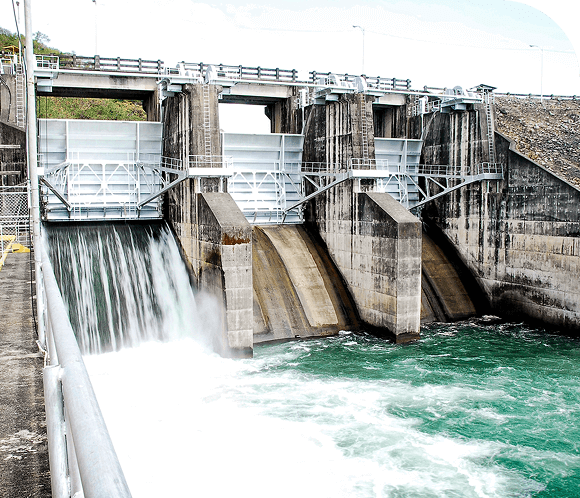
As one of the leading power generation companies in the Philippines, First Gen and its subsidiaries are positioned to support the country in its energy security aspirations. Through the Green Energy Option Program (GEOP), our retail and industrial consumers can purchase electricity from our renewable energy portfolio, which includes geothermal, solar, wind, and hydroelectric technologies.First Gen produced 7,631 GWh of renewable energy in 2024.
First Philec, Inc.
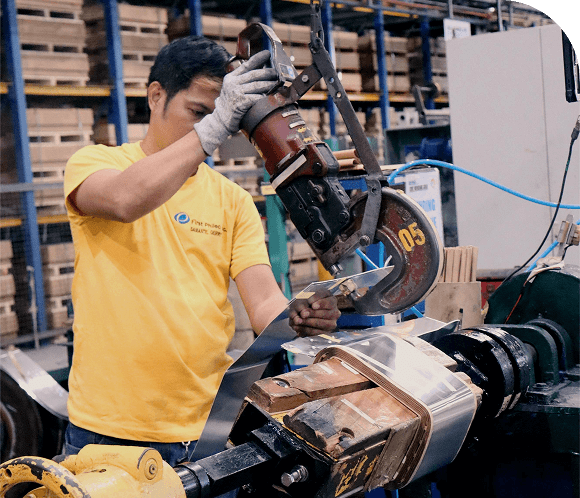
At First Philec (FPI), we are urgently advancing our decarbonization strategy to align with the critical 1.5°C climate target by embedding sustainability into every aspect of our operations. Through a comprehensive shift to renewable energy, reduced fuel consumption, and the adoption of electric vehicles and battery-powered machinery, we aim to significantly cut carbon emissions while enhancing efficiency.
In 2024, First Philec began its expansion of its B3 Plant to accommodate warehouse expansion and production capacity. Additionally, there is an ongoing plan to utilize its B1 facility as a transition facility to operate new business such as DLC, smart meters, surge arresters, protection panels. New facilities are also expected to be built in 2025 to cater to the expansion of the business.
Rockwell Land Corporation
Rockwell Land is a pioneer in developing master-planned integrated communities. We incorporate resource-saving technologies throughout our commercial and residential projects, including solar panel installations for energy use and low-flow fixtures for efficient water management. This allows our communities and tenants to fully enjoy the benefits of sustainable living, improving their quality of life.
Rockwell Land has undertaken several initiatives in 2024 to further integrate decarbonization and regeneration in its business. By the end of 2024, 94 percent of our properties were powered by renewable-energy. The group has also formed partnerships with recycling technology providers in waste recycling efforts across its properties.

First Philippine Industrial Park, Inc,
Home to over 150 locators and more than 70,000 employees, FPIP is a thriving, regenerative, and decarbonized job-centered community championing sustainability practices across its value chain and operations.
In 2024, three water facilities under FPIP Utilities, Inc. shifted to renewable energy sources through the Green Energy Option Program (GEOP) adding 13 solar lamps within the park, increasing the number of solar-powered street lights. Integrating sustainability in its value chain, the park’s Material Recovery Facility (MRF) was constructed to improve waste sorting, recycling, and waste diversion programs.

First Balfour, Inc,
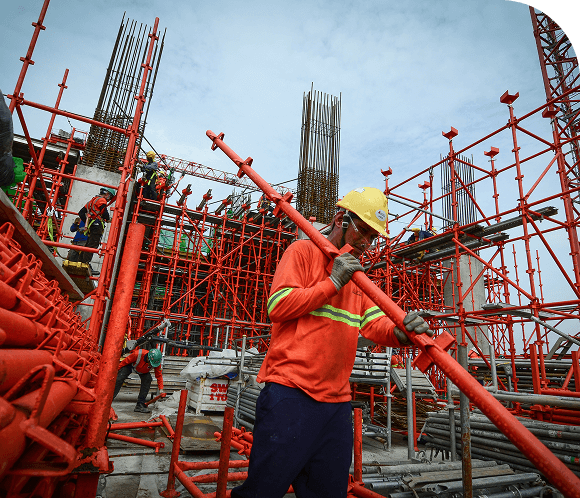
First Balfour positions itself in retooling its organization and adopting new technologies to take on more complex projects in its main sectors: transport infrastructure, power and energy, water infrastructure, and specialized buildings. This includes advancements in engineering techniques such as bridge construction methods, the use of tunnel boring machines (TBM) for building water conveyance systems, and the integration of electric vehicles and buses for both internal operations and external clients.
First Balfour’s use of the aforementioned technologies continues to open a host of opportunities for the company in 2024. By completing the construction of projects like expressways and waterways, the company is able to expand its operations. First Balfour also supports other FPH subsidiaries, particularly the Energy Development Corporation in constructing its two (2) geothermal powerplants in 2024. Moreover, T1 Transport continues to expand its electric vehicle rental offerings for various corporate clientele in the country.
Asian Eye Institute
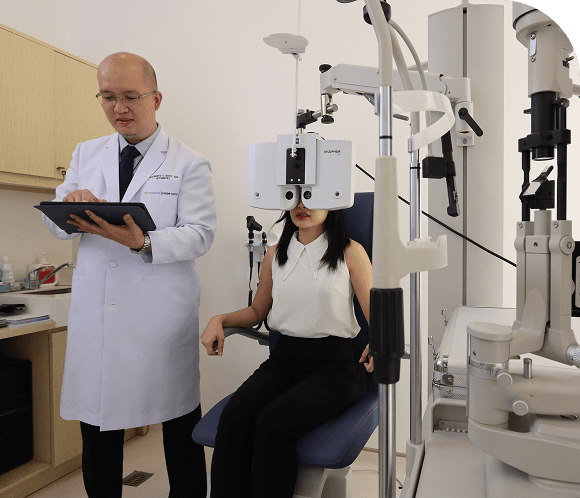
Asian Eye Institute is a world-class eye care provider in the country. Since 2021, Asian Eye has been committed to reducing waste by collecting used eyewear to be refurbished by our in-house Optical Laboratory and donated to indigent patients. Asian Eye also integrates recycling in its operations by turning over office waste to its partner recyclers.
Summary
► Our businesses continue to maintain their respective ISO certifications for quality management, environment management, occupational health and safety management, and asset management.
► The Enterprise Risk Management and IT Groups continue to be vigilant against data privacy and cybersecurity risks and have ongoing activities to develop mitigation measures.
► Five new policies related to cybersecurity and data privacy were developed.
► We continue to progress on our digitalization roadmap to expand its scope, strengthen related governance processes, and continue to build the capabilities of employees to address evolving needs in this area.
► Our businesses continued to offer products and services aligned with the principles of our mission.
Financial Outcome
- ► Financial resources are necessary to support the development of policies, processes, and capabilities for cybersecurity, data privacy and keeping up with the increasing digital world. These endeavors bring up the defenses of the company against related risks while fostering innovation.
- ► Innovations, improvements to our management systems, and further development of our intellectual property bolsters our portfolio’s business models and operations. This increases the value they have in the short-term, and increase their later value long-term.
Non-Financial Outcome
► Intellectual Capital during the reporting period was greatly increased, given the developments summarized above.
► The work related to Intellectual Capital also builds up our Human Capital as capabilities related to the topic are developed. It also builds our Social and Relationships Capital as it covers and protects our engagements with various stakeholders.