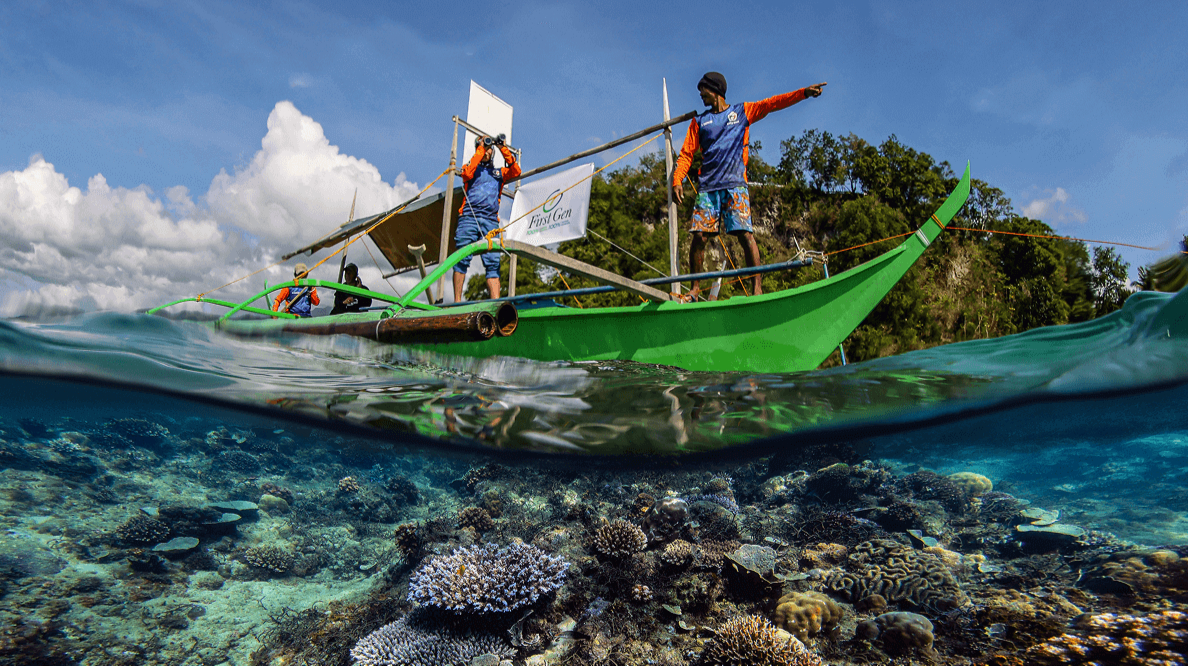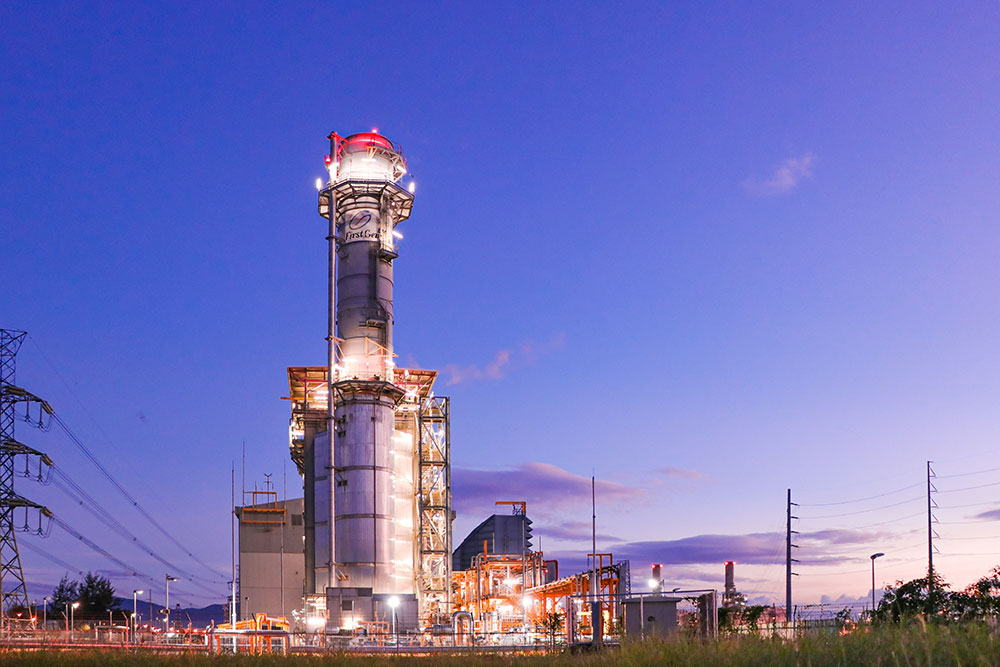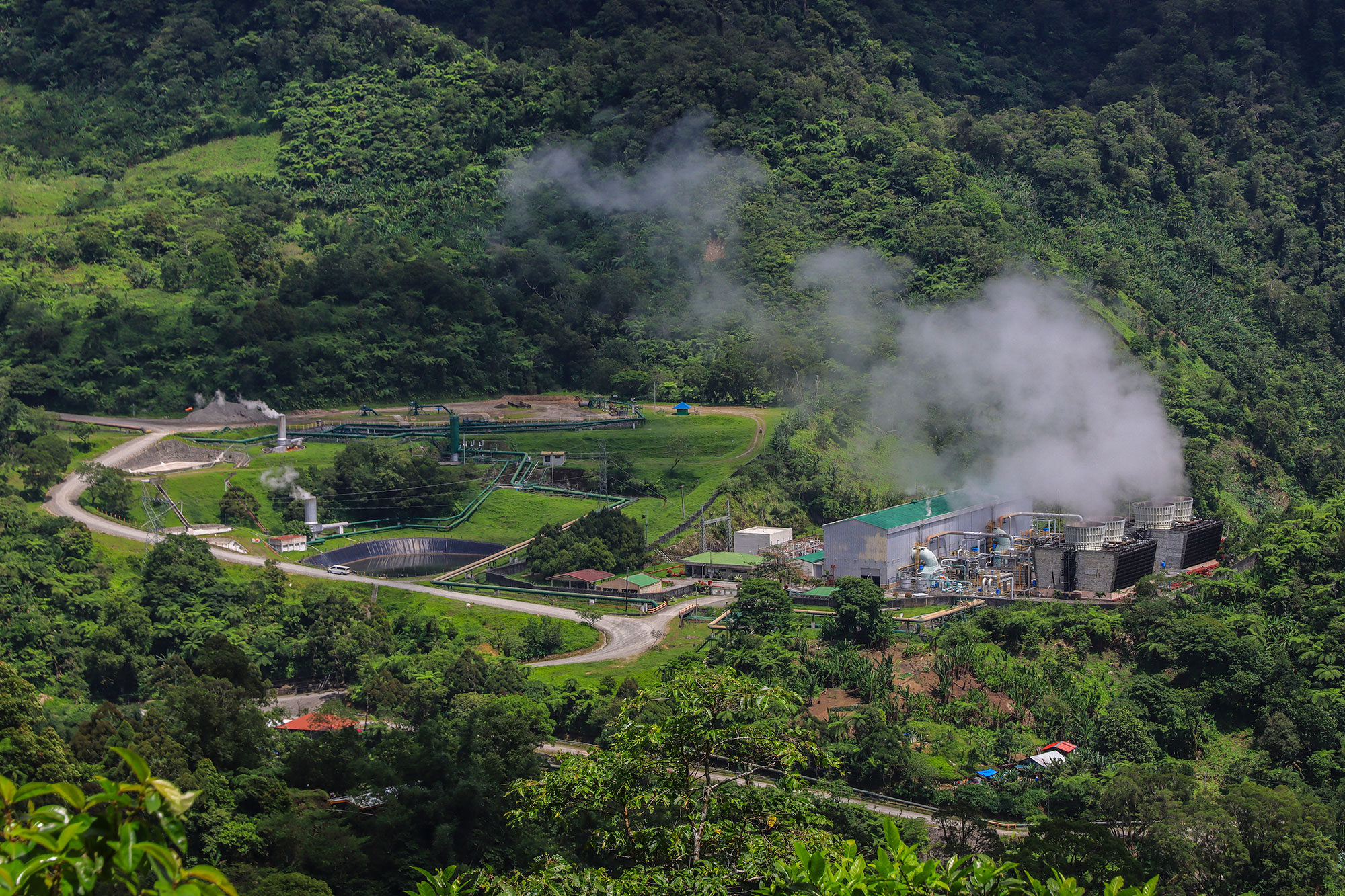

First Gen Corporation (First Gen) is the country’s largest producer of clean, low-carbon energy with power plants that run on geothermal steam, water, wind, solar, and natural gas. This diversified and flexible portfolio of assets makes First Gen well-positioned to meet the country’s growing demand for clean and reliable electricity while adapting to a world transitioning to a fully renewable energy (RE) future.
Through its subsidiaries, First Gen owns 32 power plants operating strategically in all three main island grids of the Philippines. As of December 31, 2024, the installed capacity of these power plants stood at 3,639.2 megawatts (MW). Energy Development Corporation (EDC), a subsidiary where First Gen holds a 56.1 percent voting stake, stands out as the world’s largest vertically integrated geothermal company.
Financial Performance
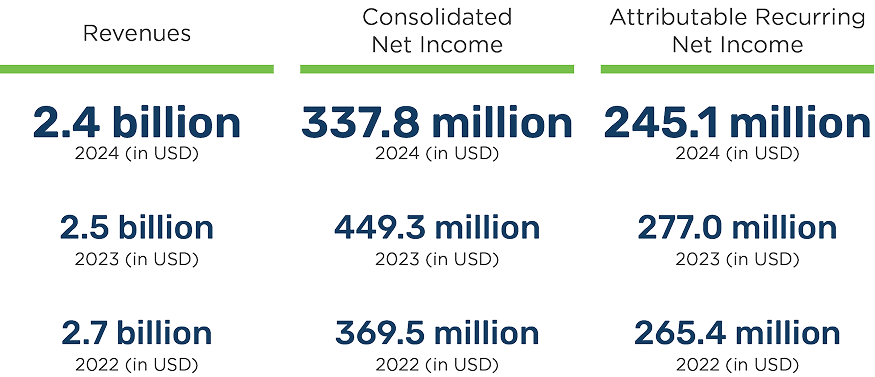
► First Gen reported a 12 percent decline in attributable recurring net income for 2024 at USD245.1 million in comparison to USD277.0 million due to the geothermal platform’s lower revenue contribution and higher operating expenses as it focused on its drilling operation program in 2024. The San Gabriel natural gas plant likewise registered lower earnings following the expiration of its power supply agreement with Meralco in February 2024, and the scheduled plant maintenance outage in March 2024. Meanwhile, First Gen Parent reported a higher net loss caused by the increased finance charges, mainly related to the PHP20 billion loan availed for the Casecnan hydro plant acquisition.
► First Gen generated USD2.4 billion in revenues in 2024, which is 3 percent lower compared to USD2.5 million in 2023. The natural gas portfolio accounted for 65 percent of First Gen’s total consolidated revenues, while 32 percent came from EDC’s geothermal, wind, and solar plants. The balance comes from the Company’s hydro business unit.
Natural Gas
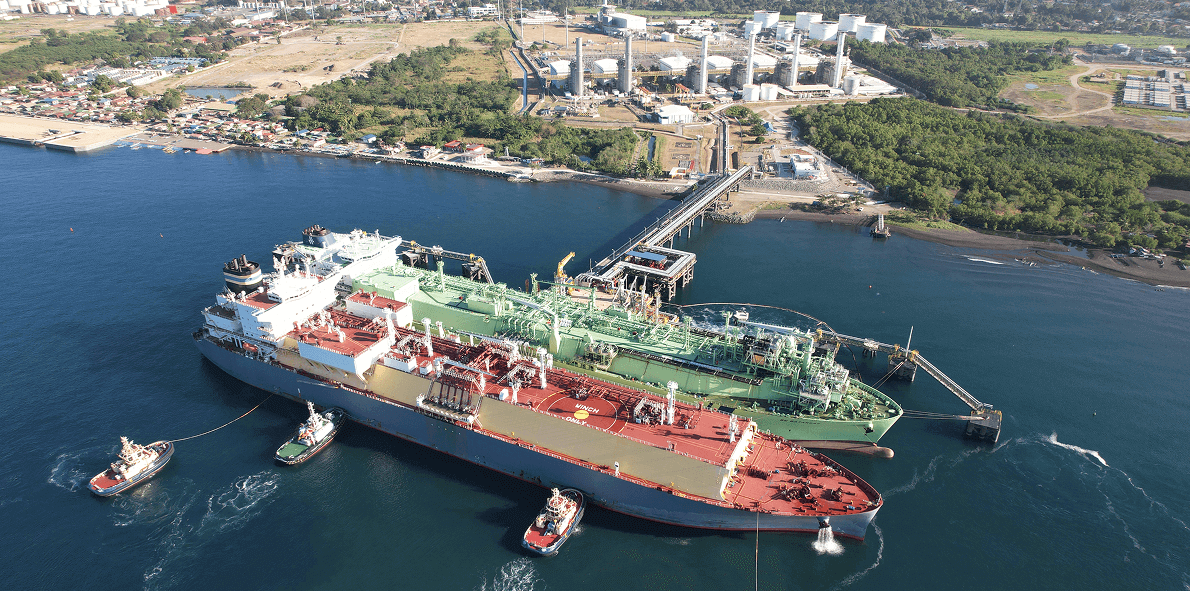
► The Santa Rita, San Lorenzo, San Gabriel, and Avion Plants (Gas Plants) achieved full operational capability on regasified LNG, following successful testing and commissioning in February, allowing the Gas Plants to supplement the depleting Malampaya gas field supply. Three LNG deliveries were made in 2024, enabling the Santa Rita and San Lorenzo power plants to supply the necessary power to the grid during the critical summer months.
► After the expiry of the Power Supply Agreement with Meralco, the San Gabriel plant started providing its output to the Wholesale Electricity Spot Market (WESM). It was able to meet dispatch requirements during the periods when other plants are conducting their planned or forced outages and the grid is experiencing red alerts. The San Gabriel plant was also given accreditation certificates by NGCP to provide Ancillary Services for Regulating and Contingency Reserve, in addition to offering its capacity to the electricity spot market.
► First Gen Ecopower Solutions, Inc. has ongoing permitting activities and contractor selection process related to the development of the 2 x 630-MW Santa Maria Gas-Fired Combined Cycle Power Plant Project (SM CCPP). In addition, the site is completing the site preparation works as part of the initial construction phase of the SM CCPP.
► The FGEN LNG – Interim Offshore LNG Terminal successfully completed commissioning and is now in the operations stage. Key achievements for the year include the receipt of 3 LNG cargoes, totaling 442,379 cubic meters; a total of 130,806 man-hours logged without any lost-time incidents.
Geothermal
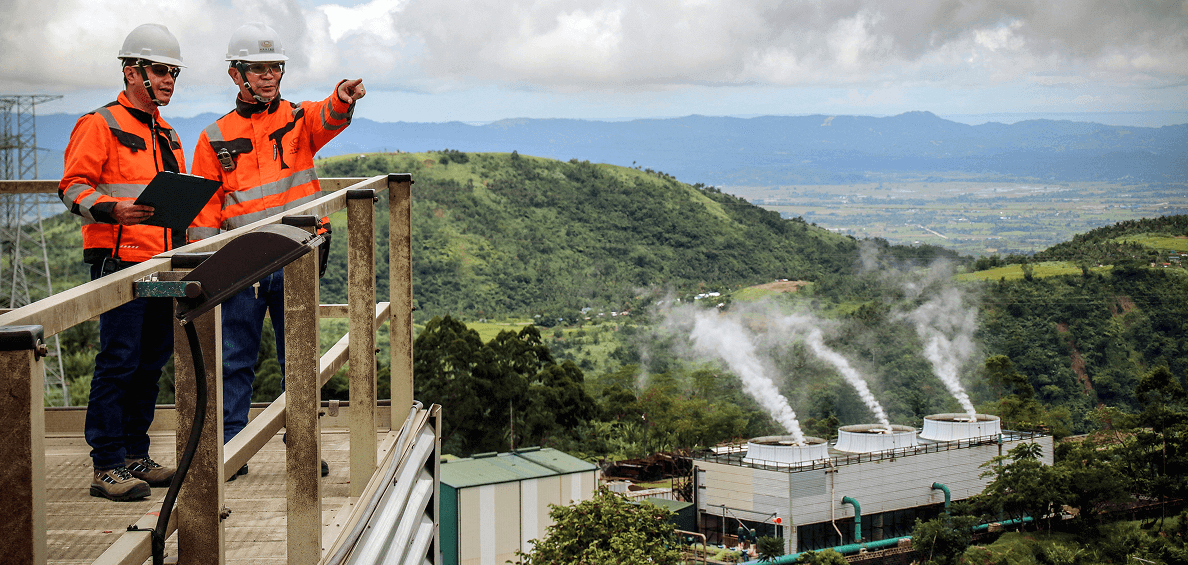
► On January 12 2024, EDC’s 28.9-MW Palayan Binary Geothermal Power Plant (PBGPP) completed its grid synchronization and in July 2024 marked the inauguration of its connection to the power highway, addressing the increasing power demand across the Philippines. The final grid compliance tests were completed in January 2025. The PBGPP is an expansion of EDC’s existing BacMan geothermal facility in the Bicol region.
► The 20-MW Tanawon Geothermal Power Plant in Albay and the 28-MW Mahanagdong Binary Plant in Leyte have completed their respective construction of electrical building structures and the majority of the necessary equipment have been successfully installed. The latter half of 2024 saw the construction of both connection assets and transmission line structures, and their commissioning date is scheduled in 2025.
► The 5.6-MW Bago Binary Geothermal Power Plant successfully underwent a 30-day reliability run from August 14 to September 14. Other milestones of the power plant include the start of hot commissioning on June 16; the first grid synchronization on June 26; and the completion of grid compliance tests with NGCP from August 5 to 7. The power plant encountered issues with its heat exchanger, which is now being resolved with the equipment manufacturer.
Solar, Wind, and Battery Energy Storage System (BESS)
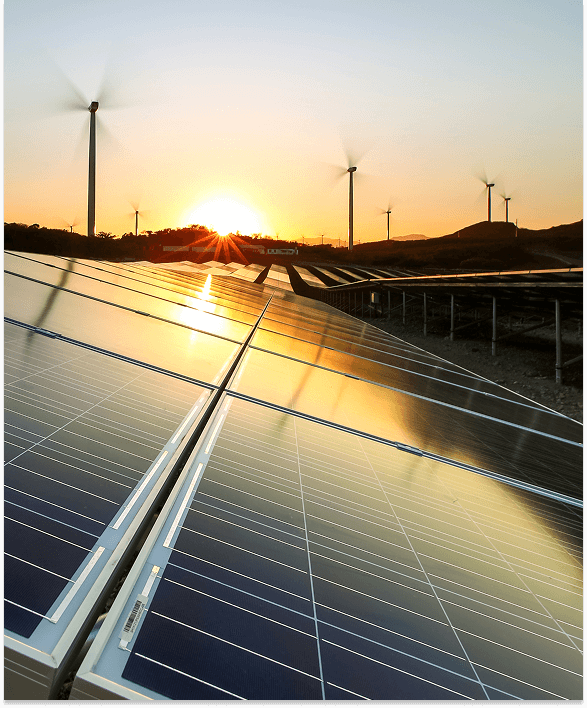
► The completion of Burgos leading edge blade repairs was a critical milestone before the high wind season. Despite various challenges in the different extent of blade damages per turbine, regulatory issues on the delivery of repair materials, and unfavorable weather conditions, Burgos completed 67 blade repairs. This included all 62 Category Four blade damages that required urgent repairs before the high wind season.
► Meanwhile, the Burgos Wind preventive maintenance schedule optimization significantly reduced the plant shutdown period from 15 days to 5 days, resulting in a net recovery of 0.95GWh. However, Burgos Wind encountered major challenges for the year having the lowest wind speed in history due to El Niño. During the last quarter of the year, Burgos Wind also experienced wind turbine outages caused by Typhoon Marce, and a fire incident involving a wind turbine generator (WTG).
► In 2024, the BESS core components for the 20-MW/ 20-MWh Bac-Man Energy Storage System (ESS), 10-MW/ 10-MWh Tongonan ESS, and the 10-MW/ 10-MWh Southern Negros ESS projects— consisting of battery cubes, inverters, and medium-voltage transformers—have been delivered, installed, and successfully interconnected at the project site. All three ESS projects achieved electro-mechanical completion in November 2024 and are presently preparing for the conduct of test and commissioning activities with the grid operator.
Hydro
► On February 26, 2024, the government, through the Power Sector Assets and Liabilities Management Corporation (PSALM) and the National Irrigation Administration (NIA), officially transferred the ownership and operation of the 165-MW Casecnan Hydroelectric Power Plant (CHEPP) to Fresh River Lakes Corp. (FRLC), a subsidiary of First Gen Corporation. FRLC promptly began delivering power to the grid at 00:00 hours, ensuring the continuation of electricity generation and potentially enhancing efficiency under private management.
► On September 27, 2024, the Board of Investments BOI awarded FRLC the Certificate of Registration (COR) for the 165-MW CHEPP. This certification qualifies FRLC for fiscal incentives under the Renewable Energy Act of 2008, supporting the long-term viability of CHEPP and further strengthening the Company’s role in advancing clean energy solutions.
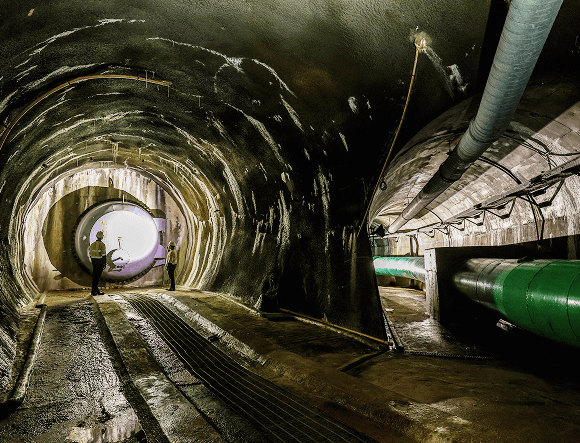
► First Gen Hydro Power Corp. (FGHPC) was able to fulfill the power supply agreements to its connected and retail customers despite the challenges of curtailed generations for the Pantabangan-Masiway hydroelectric power plants (PMHEP). FGHPC was able to source replacement powers from the WESM, with some of the power customers of FGHPC temporarily assigned to FRLC’s CHEPP.
As a result of the commercial operation of the Reserve Market last January 26, 2024, FGHPC’s Trading Group implemented the IEMOP’s Optimization Model. This model ensures that the PHEP’s capacity is maximized in providing the optimum mix of Energy and Ancillary services to the grid, thereby improving FGHPC’s bottomline.
► In 2024, the Agusan hydro plant delivered net energy of 9,241.55MWh (65.76 percent capacity factor) which is lower than the preceding years. The impact in low generation was mainly due to the low inflow brought about by the El Nino phenomenon in the first half of the year. The plant implemented the maintenance activities in the first quarter of 2024 when the inflow was at its lowest.
► First Gen also made significant advancements in its pre-development activities for several projects in Mindanao, including the 32-MW Bubunawan, 33-MW Tagoloan, 30-MW Puyo, and 49-MW San Isidro, leveraging opportunities in the renewable energy sector.
Strategy to Implement the Mission
► First Gen is committed to operational resilience by integrating climate adaptation, risk mitigation, and business continuity strategies into its operations. It has implemented key initiatives in the First Gen Clean Energy Complex in Batangas, including completing the Shoreline Erosion Mitigation Project in 2023 for storm surge protection. To address fuel supply risks from Malampaya depletion, First Gen successfully commissioned the gas plants on regasified LNG in early 2024, ensuring flexible fuel use.
► First Gen is proactively executing our Natural Catastrophe Resiliency Program. This includes retrofitting key infrastructure such as the Mt. Apo powerhouses and reinforcing landslide mitigation measures (LMM)—particularly in Leyte and Negros—allowing us to safeguard assets with a total potential loss of PHP2.4 billion. First Gen also ensures the maintenance of existing LMMs to preserve the integrity of the asset structures.
► First Gen is also implementing the “Adopt a BINHI Program” as part of the carbon offsetting efforts for the gas projects. In May 2023, a Memorandum of Agreement was signed between FGPHC and the First Gen Gas Group to adopt the 1,209-hectare BINHI plantation in Pantabangan Carranglan Watershed Forest Reserve (PCWFR), Nueva Ecija. This partnership funds the farmer’s associations managing the plantations to help them maintain, enhance, and protect the plantations from illegal logging activities and wildfires. It also helps them purchase the necessary seedlings for replanting. The 1,209-hectare plantation site has an average carbon sequestration potential of 22,900 tons CO2 per year.
In 2024, replanting and maintenance, enrichment planting, and establishment of firelines were conducted in the adopted plantation sites. Ongoing activities such as manning at look-out towers, foot patrol, and fire control also continued at these sites and were used in establishing new plantations.
► In November 2024, the First Gen-EDC Innovation Lab was opened at the Asian Institute of Management (AIM), which showcases a state-of-the- art facility designed to empower students with the skills and tools needed to thrive in the digital age. The lab will serve as a hub for creative exploration and technological experimentation by providing access to these modern tools. Moving forward, the Innovation Lab aims to enhance student learning, spark innovation, develop digital skills, and collaborative spirit.
► First Gen has expanded its clean energy advocacy leadership through initiatives such as the Net Zero Carbon Alliance (NZCA), which supports businesses in their decarbonization efforts. The alliance has achieved significant milestones in 2024, including increased partner participation, enhanced emission tracking capabilities, and broader advocacy reach. Complementing this, First Gen’s Corporate Social Responsibility arm, FGBPC, drives community-based climate initiatives through the Create for the Climate program.
2025 Outlook
► First Gen is supporting the country’s clean energy transition by pursuing an ambitious growth agenda, anchored not only on expanding its natural gas but also its RE facilities, which will serve as the company’s main growth drivers of the future.
► In 2025, EDC will secure NGCP’s Final Certificate of Approval to Connect, and ERC’s Provisional Authority to Operate in the first quarter of 2025 for its 29-MW Palayan Bayan Binary Plant.
► For BESS projects, EDC is currently finishing their per-equipment testing, ensuring that all equipment are fully functional prior to energization of the entire system. Upon energization, the project will commence with the Test and Commissioning of the entire system as a whole. EDC has submitted the Energization Request Forms (ERF) to NGCP and is currently awaiting energization approvals via issuance of NGCP of the Project’s Provisional Certificate of Approval to Connect (PCATC). EDC aims to secure the PCATCs for the BESS projects by the first quarter of 2025.
► For hydro, the 100- to 120-MW Aya Pumped-Storage Hydro Power Project’s detailed engineering design of the electromechanical works has been completed, while the design for civil and hydromechanical works is still in progress. Most of the necessary permits and endorsements have already been secured, paving the way for the next phases of development. The project will play an instrumental role in regulating power by providing ancillary services to the grid.
► First Gen aims to decarbonize its operations without compromising energy security. By maintaining peak efficiency in its current portfolio and planning for significant renewable energy growth, First Gen remains agile and will continuously gather emissions data and adopt new technologies to further reduce its carbon footprint. For the gas units, First Gen actively monitors emerging decarbonization technologies that can contribute to First Gen’s Net Zero target by 2050. The team is continuously evaluating advancements in carbon capture and exploring the potential of hydrogen as a cleaner energy source. Ongoing monitoring and integration of these technologies will play a key role in reducing the company’s GHG emissions over time, as well as to future-proof gas plants and maintain a leadership position in clean energy.